 ultimate-guide
Beginner Guide to Powersports Safety Gear (2026)
Table of Contents
- The Essential Protective Gear Every New Rider Needs
- DOT vs Snell Helmet Ratings: What Beginners Should Know
- Body Armor, Chest Protectors, and Knee Guards
- When to Replace a Powersports Helmet
- HJC i10 Features for Beginners
- Budget vs Premium Gear: What the Extra Money Buys
- Frequently Asked Questions
Last Updated: September 24, 2026
The Essential Protective Gear Every New Rider Needs
A beginner guide to powersports safety gear starts with one uncomfortable truth: the gear you choose on day one matters more than the bike you ride. Too many new riders spend their entire budget on the machine and then grab whatever helmet is on sale. That's backwards, your protective ensemble is the only system standing between you and the ground.
Helmet
The helmet is the single most important purchase you will make. A full-face helmet with a polycarbonate or composite shell protects your jaw, face, and skull in one unit, while open-face lids leave the most injury-prone areas exposed. Look for a snug fit that doesn't shift when you shake your head, and check the impact rating before you pay.
Eye Protection and Goggles
Goggles do two jobs: they seal out dust and debris, and they block UV. Off-road riders need sealed goggles with anti-fog lenses; street riders can often rely on a helmet visor, but a spare pair in your bag costs little and saves a ride when conditions turn.
Gloves, Boots, and Riding Pants
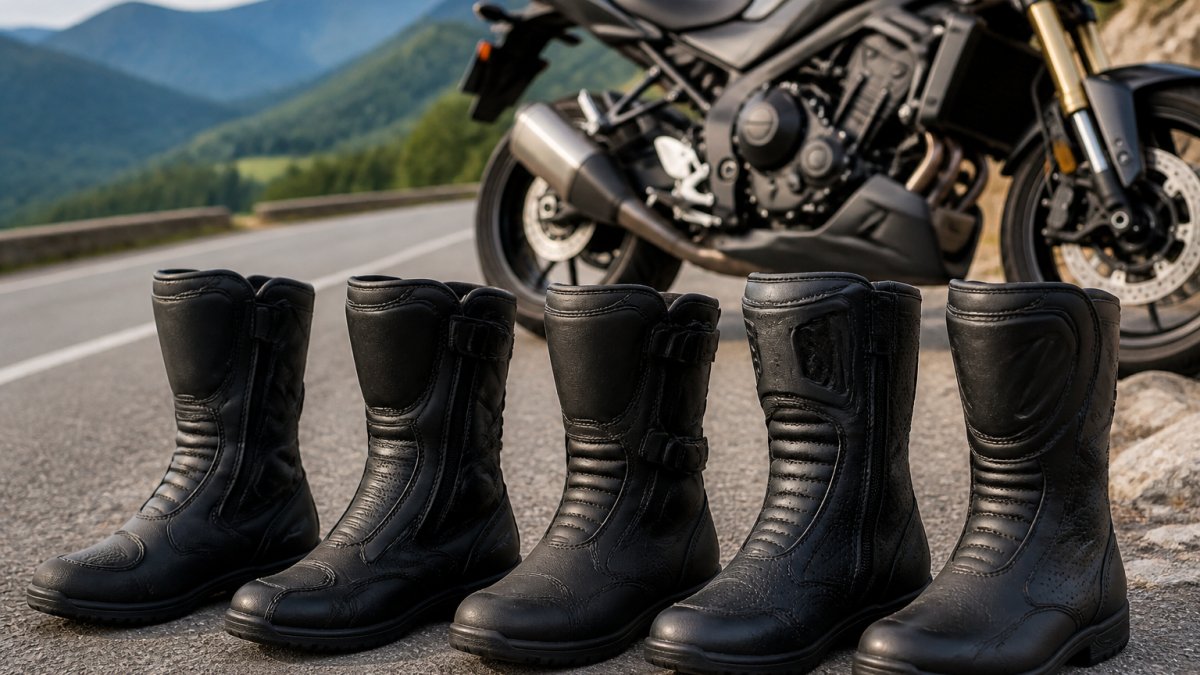
Gloves protect the first thing you'll instinctively put down in a fall. Riding boots need ankle support and articulated joints so you can still shift and brake. Riding pants with abrasion resistance at the knees and hips round out the basics. Skip any one of these and you're gambling.
DOT vs Snell Helmet Ratings: What Beginners Should Know
The DOT vs Snell helmet ratings question trips up nearly every new rider, so here's the short version: DOT certification is the federal minimum standard for helmets sold in the United States, while Snell certification is a voluntary, independent standard that tests for higher-energy impacts. The useful version is understanding what each standard actually measures, because the tests are not interchangeable.
What DOT (FMVSS 218) actually requires
DOT compliance is defined by Federal Motor Vehicle Safety Standard 218, administered by the National Highway Traffic Safety Administration. FMVSS 218 sets a performance floor: the helmet must survive a defined drop onto hemispherical and flat anvils, limit peak deceleration to the head, resist penetration by a pointed striker, and keep the chin strap attached under load.
What Snell actually tests
Snell Memorial Foundation certification is voluntary and independent, and generally regarded as more demanding than FMVSS 218. Snell runs the same helmet through multiple impacts at the same location, uses higher drop heights on some anvils, and tests a random production sample rather than a manufacturer-supplied one. Snell also maintains separate standards for different helmet types, so a Snell label alone does not tell you which protocol the helmet passed.
ECE 22.06 and why it shows up on track days
ECE 22.06 is the current European helmet regulation, and many track organizations and rider schools accept ECE-rated helmets alongside DOT and Snell. It added rotational-impact testing and more impact points than the older 22.05 version. If you plan to ride on a track, check the organization's rulebook before you buy, because acceptance varies.
How to read the label like a beginner should
- Look inside the helmet, under the comfort liner, for the manufacturer's label. The DOT label is typically a sticker on the back of the shell; the Snell label is a sewn-in tag.
- Find the manufacture date on the EPS liner sticker. A helmet that has sat in a warehouse for years has already started aging.
- Match the rating to your riding: DOT is the legal minimum for street riding; Snell or ECE 22.06 gives a higher tested ceiling; off-road helmets need the appropriate off-road certification.
- Never trust an exterior sticker alone. Counterfeit DOT stickers are common online.
The beginner takeaway
You do not need the most expensive certification to be safe, but you do need to know what you are buying. A DOT-rated full-face helmet that fits correctly protects you better than an ill-fitting premium lid. If your budget allows, step up to a Snell- or ECE 22.06-rated helmet, and always verify the label inside the shell, not the sticker outside.
Body Armor, Chest Protectors, and Knee Guards
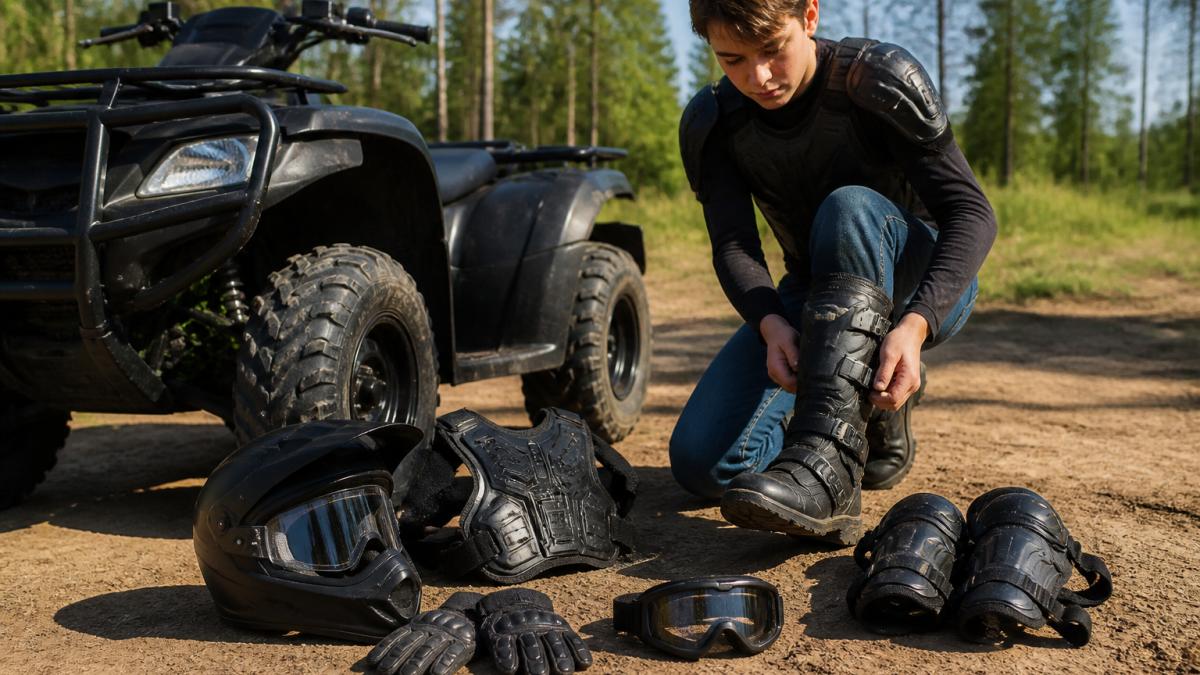
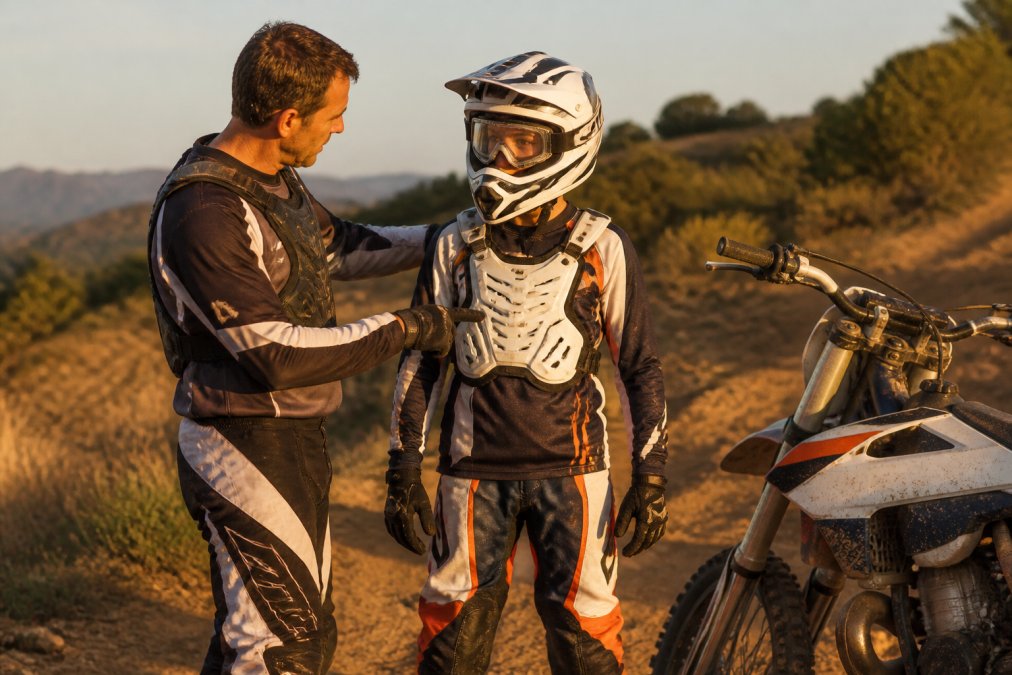
Chest protectors and knee guards handle impact absorption for the parts of your body a helmet can't reach. A chest protector shields your sternum and ribs from roost, handlebar strikes, and debris from the bike ahead; knee guards absorb fall energy and protect against handlebar contact.
Roost Deflectors for Youth Riders
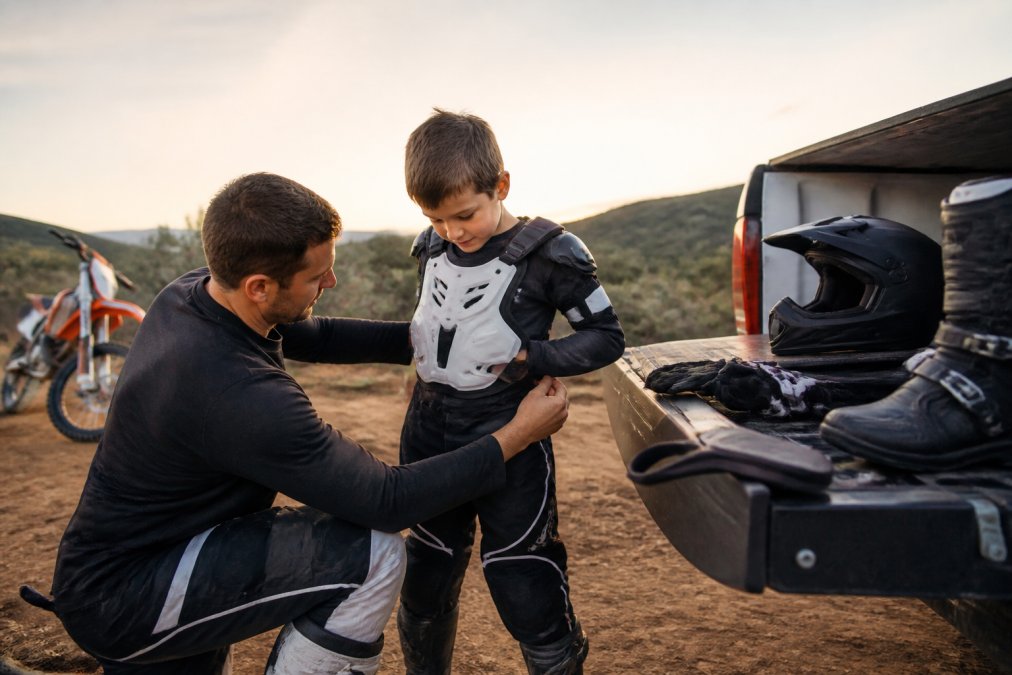
Young riders need the same protection scaled down, not watered down. The Youth Bantam Roost Deflector ($55.00) uses biofoam construction and a TPR shield to guard the chest and shoulders, with adjustable elastic straps that fit growing bodies. For serious youth motocross, the A 5 S Youth Chest Protector ($179.95) is the lightest CE Level 2 chest protector in its class, with a viscoelastic back protector and 17% of its structure built as ventilation apertures.
| Gear Item | What It Protects | Key Feature to Check |
|---|---|---|
| Full-face helmet | Skull, jaw, face | DOT or Snell rating |
| Goggles | Eyes, UV exposure | Anti-fog, sealed fit |
| Chest protector | Sternum, ribs | CE-rated impact grid |
| Knee guards | Knees, shins | Articulated hinge |
| Riding boots | Ankles, feet | Ankle support, shin guard |
When to Replace a Powersports Helmet
Replace a powersports helmet after any impact, even a minor drop, and every five years regardless of visible damage. The foam liner that absorbs energy degrades over time from sweat, heat, and UV exposure, so a helmet that looks fine on the shelf may no longer protect you.
Supertech M10 Helmet - Flood - MIPS® →
Why the five-year rule exists
The energy-absorbing layer inside a helmet is expanded polystyrene (EPS) foam, which crushes permanently on impact, it does not spring back. That is the point: the foam sacrifices itself to slow your head down. But EPS also degrades from the inside out. Sweat, body oils, heat cycling in a hot car, and UV exposure break down the cell structure, reducing how much energy the foam can absorb.
The inspection checklist
- Any crash or drop onto a hard surface: replace immediately, even if you see no damage
- Five years from the manufacture date: replace, even if unused
- Visible cracks, dents, or a compressed or crumbly liner: replace
- Loose or frayed chin straps, or a retention system that no longer tightens: replace
- Unknown history (used purchase): replace
- Helmet that no longer fits snugly because the liner has packed out: replace the liner or the helmet
The manufacture date is printed inside the shell, usually on a sticker under the liner. Check it before you buy anything secondhand.
How to inspect a used helmet before you buy
- Press the EPS liner with your thumb. It should feel firm and springy, not crumbly or soft.
- Look for hairline cracks in the shell, especially around the edges and shield pivot points.
- Check the chin strap and D-rings for fraying or corrosion.
- Ask for the manufacture date. If the seller cannot produce it, walk away.
- Sniff the interior. A strong chemical or mildew smell can indicate heat or moisture damage.
Your other gear has a service life too
Helmets get all the attention, but the rest of your gear wears out on its own schedule:
- Gloves: Replace when the palm or knuckle armor is abraded through, seams split, or the leather stiffens and cracks. A glove that no longer grips the bar is a safety problem, not just a comfort one.
- Boots: Replace when the sole separates, ankle support softens, or buckles and straps no longer hold tension. A boot that flexes too easily has lost the ankle protection you bought it for.
- Body armor and chest protectors: Replace after a significant impact, when the foam or viscoelastic padding no longer rebounds, or when straps and closures stop holding the armor against your body.
- Goggles: Replace lenses when scratched or crazed, and the foam seal when it crumbles or stops sealing against your face.
Cleaning and storage that extend gear life
Rinse technical fabrics and armor in cool water with mild detergent, never a washing machine, and air-dry away from direct sun. Store your helmet in a breathable bag, not a sealed plastic bin, so residual moisture can escape. Heat is the enemy: a helmet left on a dashboard or in a hot garage ages faster than one stored in a climate-controlled space.
HJC i10 Features for Beginners
The HJC i10 is one of the most beginner-friendly helmets on the market, combining a polycarbonate shell with a comfortable fit at a price that doesn't punish new riders. Its Advanced Polycarbonate Composite Shell is lightweight, and the ACS Advanced Channeling Ventilation system moves air through the helmet to reduce heat buildup on long rides.
Budget vs Premium Gear: What the Extra Money Buys
Premium gear buys lighter materials, better ventilation, and more refined impact management, not a guarantee of safety. A DOT-approved budget helmet and a premium composite shell both meet baseline standards; the premium option typically adds multi-density liners, rotational impact systems like MIPS, and superior airflow.
Layering for Different Climates
Layering for different climates comes down to moisture-wicking base layers and ventilated outer protection. In hot, humid conditions, wear a moisture-wicking base layer under perforated armor so sweat evaporates instead of soaking your gear. In cold weather, add an insulating mid-layer beneath your chest protector and switch to a helmet with a breath box or chin curtain to reduce fogging.
Frequently Asked Questions
What protective gear is essential for powersports beginners?
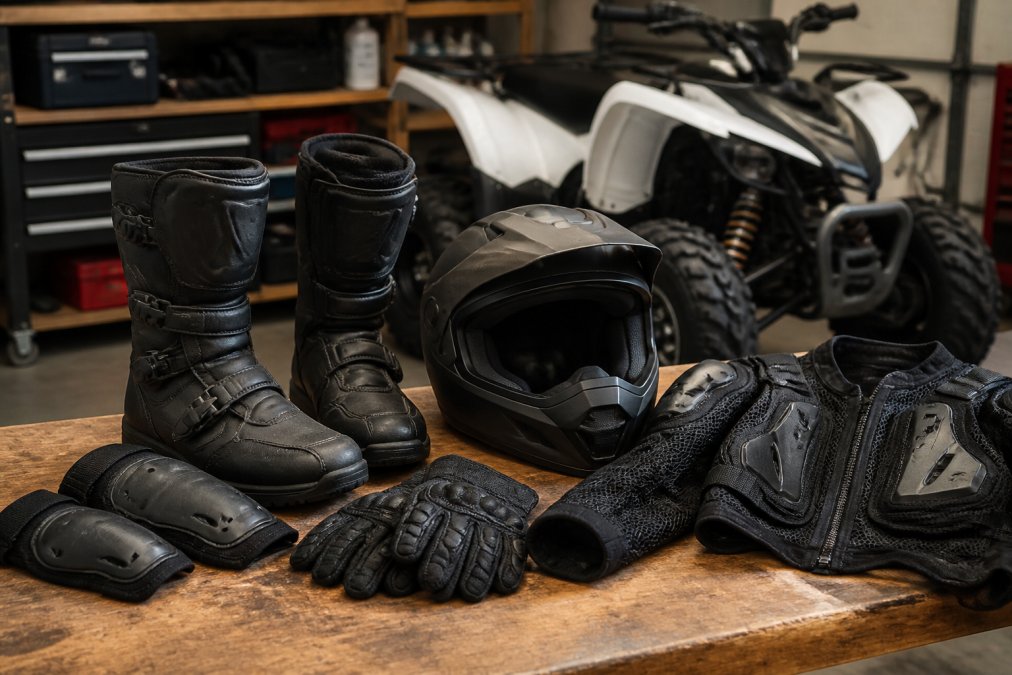
At minimum, start with a certified full-face helmet, eye protection (goggles or a visor), gloves, over-the-ankle riding boots, and a chest or back protector. Add knee guards and elbow protection as your riding pace increases. Each piece addresses a specific impact or abrasion risk, so build a complete protective ensemble rather than buying one expensive item and skipping the rest.
What is the difference between DOT and Snell safety ratings?
DOT certification is a self-certified federal minimum for street helmets, while Snell certification is an independent, voluntary standard that tests for higher impact energy and repeated strikes. Snell-rated helmets often exceed DOT requirements. For off-road riding, look for DOT-approved helmets that also carry CE-rated armor where applicable, and always confirm the certification label inside the helmet before buying.
How often should you replace your powersports safety gear?
Replace a helmet every five years from the manufacture date, or immediately after any impact, even a minor drop. Body armor, knee guards, and boots should be inspected each season for cracked shells, stretched straps, or compressed foam. Gloves and goggles typically wear out faster due to sweat and UV exposure, so plan on replacing those every one to two seasons depending on use.
How should a powersports helmet fit for maximum safety?
A proper helmet fits snugly with no pressure points and should not move when you shake your head side to side. The cheek pads should press gently against your face, and the chin bar should sit about one inch from your chin. If you can roll the helmet off your head with your hands, it is too loose. Try on multiple sizes and shell shapes, because brands fit differently.
What should parents look for in youth motocross gear?
Look for CE-certified chest and back protectors, such as the Alpinestars A-5 S Youth Chest Protector, which carries Level 2 CE/UKCA certification for chest and back protection. Youth roost deflectors like the Bantam model offer lightweight upper body coverage for trail and track use. Fit matters most: adjustable straps and a form-fitting design keep protection in place during a crash.
Is budget gear safe enough for a new rider?
Budget gear can be safe if it carries the right certifications. A $55 youth roost deflector with biofoam and TPR shielding protects against roost and light impacts, while a $199 protection jacket with CE-rated back armor handles more serious off-road crashes. Spend the most on your helmet and boots, then upgrade armor as your riding style and speed progress.