 listicle
Best Riding Gear for Extreme Conditions
Table of Contents
- What Makes Riding Gear Suitable for Extreme Conditions
- Breathable Motorcycle Jackets for Summer Riding
- Waterproof Riding Gear for Heavy Rain
- Impact Protection Standards for Riding Gear
- Thermal Regulation and Cold-Weather Gear
- Layering Systems for Rapid Climate Changes
- Top Gear Recommendations for Extreme Conditions
- Durability, Repairability, and Long-Term Value
- Frequently Asked Questions
Last Updated: September 3, 2026
What Makes Riding Gear Suitable for Extreme Conditions
Riding gear designed for extreme conditions must balance competing demands: protection against impact, breathability in heat, waterproofing in rain, and insulation in cold. The best riding gear for extreme conditions combines CE-certified armor with advanced fabric technologies that adapt to rapid temperature swings. What separates adequate gear from exceptional gear is how well it manages moisture while maintaining structural integrity under stress.
Most riders approach extreme-condition gear as separate purchases for each season. That's inefficient. Instead, the smartest strategy involves modular layering systems and multi-season jackets engineered with removable liners, ventilation panels, and thermal regulation features. At Monarch Sandbox, we've curated a selection of products that excel across these demanding scenarios, helping riders stay safe whether they're facing scorching desert heat or unexpected mountain downpours.
The key factors that define performance gear include impact absorption through CE-certified armor placement, moisture-wicking base layers that pull sweat away from skin, breathable mesh panels for airflow dynamics, waterproof membranes that don't trap heat, and abrasion resistance in high-contact zones. Understanding these elements helps you make informed choices rather than guessing.
Breathable Motorcycle Jackets for Summer Riding
Summer riding jackets prioritize ventilation performance without sacrificing protection. A truly breathable motorcycle jacket for summer riding uses high-abrasion resistant mesh panels strategically positioned at the shoulders, chest, and back where airflow matters most. These designs incorporate articulated joints that move with your body, reducing bunching and improving comfort during long rides.
The mesh construction allows heat dissipation while maintaining structural integrity. Look for jackets with adjustable vents and removable padding to adapt as conditions change throughout the day. The best options include integrated armor pockets that accept CE-certified impact protection, don't skip this step, even in summer. Mesh alone won't protect you in a crash; the armor is what actually saves you.
Moisture management becomes critical in summer. A quality summer jacket uses moisture-wicking synthetic fibers in its interior lining to keep sweat from pooling against your skin. This prevents chafing on long rides and keeps you cooler by allowing evaporative cooling to work properly.
Waterproof Riding Gear for Heavy Rain
Waterproofing in riding gear requires more than just a water-resistant coating. The best waterproof riding gear for heavy rain uses a full waterproof membrane, typically a laminated barrier that sits between outer shell and lining, combined with sealed seams throughout. A 15,000mm waterproof rating indicates the gear can withstand sustained heavy rain without water penetration.
Dedicated rain suits offer lightweight, packable protection that layers over your regular jacket. These are ideal for unexpected downpours since they pack into a small bag and deploy quickly. Full-coverage rain gear includes reflective detailing for visibility and elasticated cuffs and waist to prevent water from running up your sleeves or down your back.
The tradeoff with dedicated rain suits is bulk and heat retention. They work best as emergency backup or for short-duration rain exposure. For extended wet-weather riding, a jacket with a removable waterproof liner provides better integration and less restriction. Sealed seams matter more than the membrane rating, a 10,000mm jacket with perfect sealing outperforms a 20,000mm jacket with compromised seams.
Impact Protection Standards for Riding Gear
CE certification is the standard that matters for impact protection. CE Level 2 armor meets the European standard for motorcycle protective gear, indicating the armor has been tested for impact absorption and can withstand significant force (europa.eu). This is the baseline for serious riding; anything less leaves you underprotected.
Impact protection standards specify exactly where armor must be placed: shoulders, elbows, and back are mandatory zones. Knee and hip armor should be considered essential, not optional. The armor itself, whether foam, gel, or composite materials, must meet specific energy absorption thresholds defined by the CE standard.
When evaluating impact protection, verify the armor is removable and replaceable. This matters because armor degrades over time, and you need the ability to refresh it. Check that the pockets are positioned correctly for your body type; poorly positioned armor can shift during a crash and leave vulnerable zones exposed.
Thermal Regulation and Cold-Weather Gear
Cold-weather riding requires insulation that doesn't restrict movement. The best thermal regulation comes from layering systems using 3M Thinsulate or Pro-Laminate Gore-Tex technology, which traps air for warmth while remaining thin and flexible (peer-reviewed research). These materials provide maximum thermal efficiency without the bulk of traditional padding.
Wind resistance is as important as insulation in cold weather (the CDC). A windproof outer shell combined with thermal lining creates a barrier against wind chill, which is the primary heat loss mechanism at speed. Look for jackets with a brush nylon interior and integrated thumb wipers that keep your hands functional on cold rides.
The challenge with winter gear is avoiding overheating during moderate-intensity riding. Modern cold-weather jackets address this through strategic ventilation that can be opened or closed depending on exertion level. This adaptability prevents sweat buildup, which accelerates heat loss when you stop riding.
Layering Systems for Rapid Climate Changes
Modular layering systems are your best defense against unpredictable weather. Start with a moisture-wicking base layer that pulls sweat away from your skin. The mid-layer provides thermal regulation, a fleece or synthetic insulation that can be added or removed. The outer shell delivers wind resistance and waterproofing.
This three-layer approach handles rapid climate changes better than any single jacket. A jacket with a removable thermal liner accomplishes this in one piece, which reduces bulk and complexity. The key is ensuring each layer works independently; you should be able to wear the mesh jacket alone in summer, add the thermal liner in spring and fall, and add both a rain liner and thermal liner in winter.
Rapid climate changes, common in mountain riding or desert-to-coast transitions, demand this flexibility. A static jacket designed only for one season forces you to choose between protection and comfort. Modular systems let you adjust in minutes without stopping for long periods.
Top Gear Recommendations for Extreme Conditions
Premium All-Weather Jackets
The Alpinestars AMT-10R Drystar XF Jacket stands out for adventure riders who face genuinely unpredictable weather. Its Drystar XF waterproof membrane handles sustained rain without compromising breathability, and the modular design lets you adjust for varied climates. CE Level 2 armor protection comes standard, and the integrated smart pocket system keeps essentials accessible.
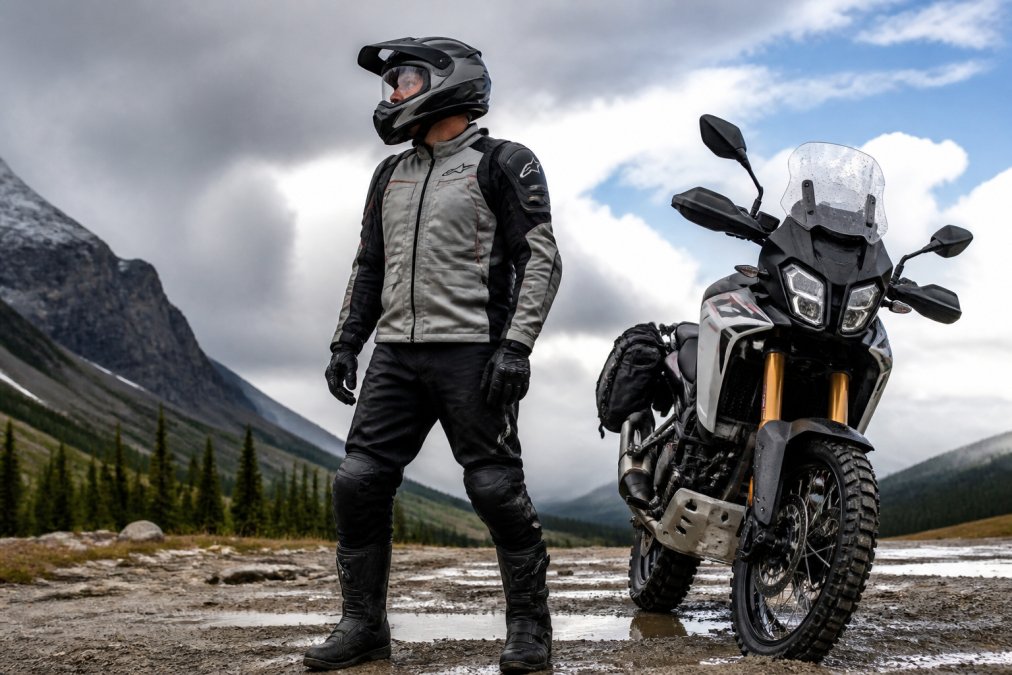
The main advantage here is versatility. You're not buying separate jackets for different seasons; you're buying one jacket that adapts. The tradeoff is the high price point, which makes this a commitment rather than an impulse purchase.
The REV'IT! Tornado 4 H2O Jacket offers a middle ground. Its detachable waterproof liner and large mesh panels mean you can transition from summer to winter without changing jackets entirely. High-visibility reflective elements improve safety in low-light conditions. The adjustable armor pockets let you position protection exactly where you need it.
What makes this jacket practical is the liner management, you can stash the waterproof insert in a bag and deploy it only when rain arrives. This reduces bulk on dry days while keeping you protected when weather turns. The limitation is that swapping liners takes a few minutes, which isn't ideal if conditions change rapidly.
High-Performance Mesh Jackets for Heat
The Klim Induction Pro Jacket delivers superb venting performance for high-heat environments. Its high-abrasion resistant mesh construction maintains durability even with maximum airflow. CE Level 2 armor is included, so you're not sacrificing protection for cooling.
The ventilation design uses breath box technology and articulated vents that channel air across your core. This isn't just mesh; it's engineered airflow dynamics that keep you cooler than competitors. The durability of the mesh means this jacket survives season after season of aggressive riding.
The honest limitation: this jacket isn't suitable for cold weather. If you ride in variable temperatures, you'll need a separate winter option. For desert riders or summer-only enthusiasts, this is the right choice.
Dedicated Rain Suits and Waterproof Layers
The Alpinestars Hurricane Rain Gear provides reliable waterproofing in a lightweight, packable design. At just under $180, it's affordable enough to keep as emergency backup in your bike bag. The 100% waterproof construction with reflective detailing handles consistent rain performance.
This is your "just in case" option. It adds bulk over your riding gear, but it's easy to store and quick to deploy when unexpected downpours arrive. The elasticated cuffs and waist prevent water from running up your sleeves, a small detail that makes a huge difference in comfort.
The Frogg Toggs Rain Gear offers even more affordability at around $30. It's extremely lightweight and packable, making it ideal for riders who want emergency protection without carrying much weight. The tradeoff is durability; this gear works for unexpected showers but won't hold up to extended heavy rain or repeated use.
Winter Protection and Insulated Gear
The 3M Thinsulate Insulated Riding Gloves provide excellent heat retention for spring and fall riding. The brushed nylon interior feels comfortable even with long-term wear, and the integrated thumb wiper keeps your visor clear. The wind-resistant outer shell blocks cold air penetration.
These gloves work best for cool shoulder-season temperatures, not deep winter sub-zero riding. If you're facing extreme cold, they're a stepping stone to heavier winter gloves rather than the final solution.
Pro-Laminate Gore-Tex Winter Gear represents the premium approach to cold-weather protection. This technology combines waterproofing with maximum thermal efficiency, meaning you stay dry and warm without excessive bulk. The windproof barrier and high-durability outer shell handle sustained cold exposure.
The investment here is significant, but for serious winter riders, it's justified. This gear performs in conditions where lesser jackets fail. The durability means it lasts for years, spreading the cost across multiple seasons.
Footwear and Hand Protection
The TCX Baja Boots deliver rugged protection with waterproof lining and reinforced ankle and heel protection. Full-grain leather construction provides durability and abrasion resistance. The high-grip rubber sole maintains traction on wet surfaces and varied terrain.
These boots can feel stiff initially, but they break in and become more comfortable with use. The waterproof lining keeps your feet dry in rain, and the reinforced protection zones guard against impact and abrasion.
| Gear Type | Best For | Key Feature | Limitation |
|---|---|---|---|
| All-Weather Jackets | Adventure riders, unpredictable weather | Modular design, removable liners | Higher price point |
| Mesh Jackets | Summer, high-heat environments | Maximum airflow, breathability | Not cold-weather suitable |
| Rain Suits | Emergency backup, unexpected rain | Lightweight, packable | Adds bulk over jacket |
| Winter Gear | Cold-weather riding | Thermal insulation, windproofing | Expensive investment |
| Protective Boots | Off-road, adventure riding | Waterproofing, ankle protection | Initial stiffness |
Durability, Repairability, and Long-Term Value
The most expensive gear isn't always the best value. Durability matters because a jacket that lasts five years costs less per season than one that fails after two. Look for textile durability through high-quality synthetic fibers and reinforced seams. Abrasion resistance in high-contact zones, shoulders, elbows, back, determines how long the gear survives crashes.
Repairability is often overlooked but critical for long-term ownership. Can you replace the armor when it degrades? Can you repair seams if they separate? Can you source replacement parts? Gear designed for easy maintenance costs less to own over time.
Sustainability and repairability go hand in hand. Brands that support repairs and replacement parts encourage longer gear life, which reduces waste. This also aligns with the practical reality that good gear is an investment worth maintaining.
Finding the best riding gear for extreme conditions means matching your specific riding environment to gear engineered for that scenario. Monarch Sandbox carries carefully selected products designed for performance and safety across all conditions. Our expertly curated selection includes CE-certified armor, breathable mesh for heat management, waterproof membranes for rain protection, and thermal regulation options for cold weather. Shop Now to build your modular layering system and ride with confidence, knowing your protection adapts to whatever conditions you encounter.
Frequently Asked Questions
What features should I prioritize when choosing riding gear for extreme conditions?
Focus on three core elements: impact protection (CE-certified armor in shoulders and elbows), weather management (ventilation for heat, waterproof membranes for rain), and material durability (abrasion resistance in high-contact areas). Fit matters too, gear that shifts during a crash offers no protection. Look for articulated joints and adjustable straps that keep everything in place. The best riding gear balances all three without sacrificing comfort, since you're more likely to wear protective equipment consistently if it feels right.
Is it safe to ride in extreme heat with full protective gear?
Yes, but you need the right gear. High-abrasion resistant mesh jackets with breathable mesh panels and ventilation performance designed for airflow keep you cooler than lighter alternatives while maintaining impact protection. Moisture-wicking base layers pull sweat away from your skin, and strategic venting in the chest, back, and underarm areas allows heat dissipation. Thermal regulation through proper layering and breathable mesh means you stay protected without overheating. Riders in extreme heat often find mesh gear with CE-certified armor more comfortable than sealed jackets.
What does CE-certified armor mean, and why does it matter?
CE certification means armor has been tested to European safety standards for impact absorption and meets minimum performance requirements. In powersports, CE Level 1 armor handles moderate impacts, while CE Level 2 offers superior protection for higher-speed impacts. This certification ensures the armor actually protects rather than just looking protective. When selecting riding gear, verify that shoulders, elbows, and back protection carry CE marking, this is your assurance that the gear meets real safety standards, not just marketing claims.
How do I build a layering system that works for rapid weather changes?
Start with a moisture-wicking base layer to manage sweat in any condition. Add a mid-layer that provides thermal regulation, lightweight for summer, insulated for cooler rides. Top it with a modular outer shell that handles wind resistance and waterproofing. Jackets with detachable liners let you adapt quickly without removing your gear. Choose pieces with adjustable ventilation so you can open mesh panels in heat and close them for wind protection. This approach lets you ride through temperature swings without stopping to change completely.
What's the difference between waterproof and water-resistant gear?
Water-resistant gear slows water penetration but will eventually soak through during heavy rain or prolonged exposure. Waterproof gear uses sealed membranes (like Gore-Tex or Drystar XF) that block water entirely while allowing moisture vapor to escape. For riding in heavy rain, waterproof membranes are essential, they keep you dry and maintain thermal regulation. Water-resistant jackets work for light drizzle but fail in sustained downpours. If you ride frequently in wet conditions, invest in dedicated waterproof riding gear or a waterproof rain suit as a backup layer.
This article was written using GrandRanker